Gingerbread Baker Applique: A Designer’s Review
As an embroidery designer who has spent years digitizing files for small businesses and boutique brands, I approach every new machine embroidery design with a critical eye. It is not just about whether a motif looks cute on a screen; it is about how it translates to fabric, how it holds up in production, and how it serves the brand identity of the client. Recently, I reviewed the Gingerbread Baker with Apron Applique, a festive motif that promises to bring holiday cheer to various merchandise items. In this review, I will evaluate its potential for commercial use, focusing on its application in small business merch, custom apparel, and branded accessories.
First Impressions and Visual Personality
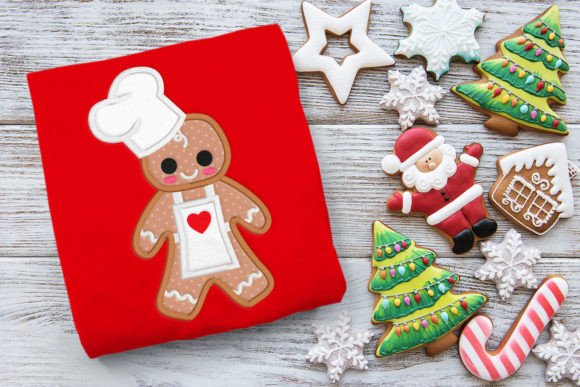
The first thing that strikes me about the Gingerbread Baker with Apron Applique is its inherent warmth. The concept of a gingerbread man donning a chef’s hat and an apron with a heart is undeniably charming. From a design perspective, this motif leans heavily into the "friendly" and "handmade" aesthetic. It does not try to be ultra-modern or minimalist; instead, it embraces a classic, decorative style that resonates well with the Christmas season. For businesses in the bakery, café, or handmade gift sectors, this visual personality is a significant asset. It communicates approachability and care, two traits that customers often seek in local, independent brands.
The use of applique in this design is a strategic choice. Applique techniques generally reduce stitch count compared to full satin-stitch coverage, which can lower production time and minimize puckering on lighter fabrics. However, it requires precise cutting and placement. The heart detail on the apron adds a focal point that draws the eye, creating a balanced composition that feels complete without being overly busy.
Real-World Applications for Small Business Merch
When considering where to deploy this design, versatility is key. Here is how I see the Gingerbread Baker with Apron Applique performing across different product lines:
- Embroidered Patches: This is perhaps the strongest use case. Creating iron-on or sew-on patches allows businesses to produce seasonal merchandise without committing to embroidering every single item in advance. A patch can be applied to tote bags, jackets, or hats as needed. The bold outlines typical of applique designs hold up well in patch form, ensuring the gingerbread figure remains distinct even at smaller sizes.
- Apron Embroidery: For bakeries and cafes, staff uniforms are walking advertisements. Embroidering this design on the bib of a canvas or denim apron creates a cohesive look. The chef hat element ties directly to the profession, reinforcing the brand’s expertise while adding a touch of holiday whimsy.
- Tote Bag Design: Holiday shoppers love reusable bags. Placing this motif on a natural cotton tote creates an attractive gift-with-purchase item or a standalone product. The contrast of the gingerbread brown against natural fabric is visually appealing and rustic.
- Cap Embroidery: While possible, cap fronts require careful handling. The curved surface of a baseball cap can distort detailed designs. If used here, I recommend sizing the design down and ensuring the stabilizer is robust enough to prevent shifting during the embroidery process.
Technical Considerations and Production Challenges
While the design is aesthetically pleasing, there are technical factors that embroidery shop owners and product designers must address before running a large batch. The success of any digital embroidery file depends on the interaction between thread, fabric, and machine settings.
Stitch Density and Fabric Texture: Applique designs rely on the underlying fabric for part of their visual impact. If you are stitching on a textured fabric like terry cloth for a pot holder or oven mitt, ensure the satin stitch borders are wide enough to cover the raw edges of the applique fabric completely. If the stitch density is too low, the edges may fray after washing. Conversely, on smooth fabrics like twill or poplin, the design will look crisp and professional.
Color Contrast: The description mentions a gingerbread man, which implies warm browns, and a chef’s hat, which is typically white. When working with dark uniforms, such as navy or black staff shirts, the white elements will pop beautifully. However, if the background fabric is light beige or cream, the gingerbread body might lack definition. In such cases, consider adding a subtle backstitch outline or choosing a slightly darker shade of brown thread to maintain visibility.
Hoop Size and Placement: Before production, confirm the required hoop size. If the design is large, it may not fit on standard cap hoops or small pouch areas. Always check the dimensions provided in the file package. For small patch sizes, ensure that the fine details, such as the heart on the apron, do not become lost. If the design is scaled down too much, the satin stitches may merge, causing the image to look blobby rather than distinct.
Impact on Brand Identity and Customer Trust
Using high-quality embroidery assets like the Gingerbread Baker with Apron Applique does more than decorate a product; it enhances brand identity. Consistency in visual presentation builds customer trust. When a customer sees a well-executed embroidered logo or motif, they perceive the brand as professional and attentive to detail. This is particularly important for Etsy sellers and craft businesses where the "handmade" label is a primary selling point.
A sloppy embroidery job can detract from perceived value, but a clean, well-stitched design elevates the finished product. By using this motif on packaging accents, such as a branded tag attached to a cookie box, or on limited-edition holiday merchandise, businesses can create a memorable unboxing experience. The emotional connection triggered by nostalgic holiday imagery can drive buyer engagement and encourage social media sharing, effectively turning customers into brand ambassadors.
Practical Designer Notes for Commercial Use
Before integrating this design into your commercial embroidery workflow, I recommend the following steps to ensure optimal results:
- Test on Real Fabric: Never skip the test stitch. Run the design on the exact fabric you intend to use for production. Check for puckering, thread breaks, or registration issues.
- Use Proper Stabilizer: Applique designs require cut-away or tear-away stabilizers depending on the fabric stretch. For knits or stretchy materials, a cut-away stabilizer is essential to maintain shape over time.
- Create a Printable Mockup: Before selling the item, create a digital mockup or take high-quality photos of the test stitch. This helps in marketing and allows you to visualize the final product for client approval.
- Check Commercial Licensing: Ensure that your purchase of the embroidery file includes a commercial license. Terms vary by designer, so confirm that you are allowed to sell physical items featuring this design.
- Review Thread Colors: Match your thread colors to your brand palette if possible. While traditional gingerbread colors are standard, adapting the apron color to match your brand’s primary color can reinforce brand recognition.
In conclusion, the Gingerbread Baker with Apron Applique is a strong contender for holiday-themed merchandise. Its charm lies in its simplicity and thematic relevance. For small business owners, bakery operators, and apparel decorators, it offers a versatile asset that can enhance everything from staff uniforms to customer gifts. By paying attention to technical details like stabilizer choice, fabric texture, and stitch density, you can ensure that this design delivers a premium, professional finish that aligns with your brand’s standards. As with any design asset, testing and thoughtful application are the keys to transforming a simple embroidery file into a valuable component of your business strategy.