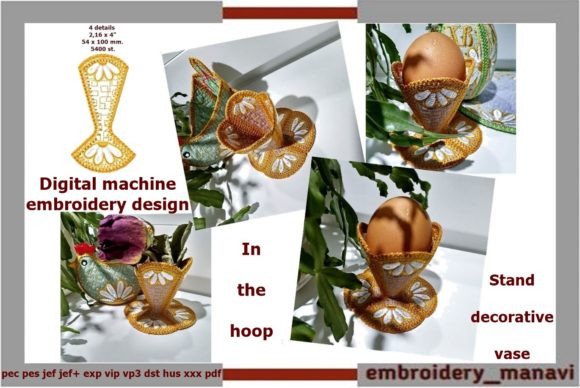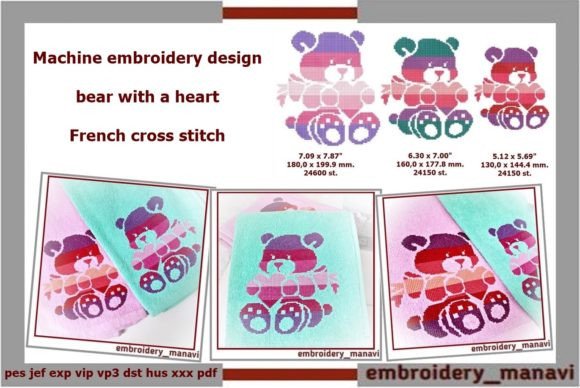
Napkin with French Cross Stitch Review
As an embroidery designer who has spent years refining digitizing techniques for commercial apparel, I approach every new machine embroidery design with a critical eye. It is not just about whether the file runs smoothly; it is about how the final stitch-out elevates the garment. Recently, I evaluated the Napkin with French Cross Stitch for a potential application that might seem unconventional at first glance: a premium sweatshirt collection for a small boutique brand. While the product description highlights its use as a housewarming gift and an In The Hoop project for home decor, my goal was to determine if this delicate, intricate aesthetic could translate effectively onto heavy cotton blends and fleece.
First Impressions: Mood and Aesthetic Appeal
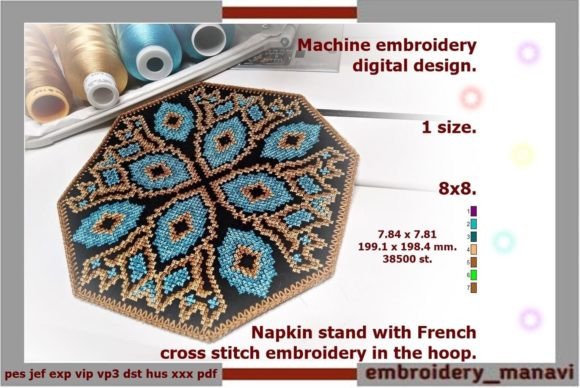
The immediate impression of the Napkin with French Cross Stitch is one of refined elegance. The term "French cross stitch" suggests a texture that is richer and more dimensional than standard flat stitching. In a House context, this implies a rustic yet sophisticated vibe, perfect for table settings or decorative accents. However, when viewing this through the lens of Embroidery for apparel, the mood shifts. It feels feminine, decorative, and intentionally artisanal. For a boutique brand aiming to differentiate itself from mass-market streetwear, this design offers a "slow fashion" narrative. It does not scream bold or aggressive; instead, it whispers quality and attention to detail. The layout appears balanced, likely featuring a central motif that draws the eye without overwhelming the fabric canvas.
Translating Home Decor to Apparel: The Sweatshirt Test
Applying a design intended for napkins to a sweatshirt requires careful consideration of scale and placement. Here is how I envision the Napkin with French Cross Stitch performing across different apparel styles:
- Neutral Sweatshirts: On cream, oatmeal, or stone-colored fabrics, the design would shine. The subtle texture of the cross-stitch effect would complement the soft, matte finish of the fabric, creating a cohesive, minimalist look that appeals to modern consumers.
- Dark Fabric Contrast: Placing this on charcoal or navy requires strategic thread choices. A metallic or high-sheen rayon thread could provide the necessary contrast to ensure the intricate details remain visible. Without proper contrast, the design might get lost in the deep pile of dark fleece.
- Pastel Colors: For spring collections, pastel hoodies paired with this design evoke a playful yet cute aesthetic. It softens the casual nature of the hoodie, making it suitable for brunch wear or casual office environments.
- Oversized Hoodies: On oversized silhouettes, placement is key. A small chest emblem might feel too diminutive. Instead, consider using the design as a sleeve accent or part of a larger back composition where the "napkin" motif acts as a framed centerpiece.
Technical Evaluation for Commercial Production
For any Etsy seller or small shop product creator, technical reliability is paramount. When reviewing the Napkin with French Cross Stitch, several practical concerns arise regarding its transition from a home decor item to a wearable custom apparel piece.
Stitch Density and Fabric Texture
Cross-stitch simulations often rely on specific stitch angles to create the illusion of woven thread. On a thick sweatshirt, the stitch density must be optimized. If the density is too high, the fabric may pucker, especially around the edges of the hoop. Conversely, if it is too low, the underlying fabric might show through, breaking the illusion of the cross-stitch pattern. Designers must test this on the actual fabric texture of their blanks. Heavyweight cotton fleece behaves differently than lightweight jersey, and the stabilizer choice becomes critical.
Stabilizer and Hoop Considerations
Since this is described as an In The Hoop project, the original digitizing likely accounts for specific hoop movements. However, for apparel, we are not creating a standalone napkin. We are embroidering directly onto a garment. This means selecting the right stabilizer is non-negotiable. A cut-away stabilizer is generally recommended for sweatshirts to prevent distortion after washing. Additionally, verifying the hoop size compatibility is essential. If the design is large, ensuring it fits within the machine's maximum hoop area without requiring re-hooping mid-design will save significant production time.
Washing Durability
A major concern for commercial embroidery is longevity. Cross-stitch effects can sometimes snag if the threads are not properly locked down. For a sweatshirt that will be washed frequently, the design must withstand agitation. I recommend testing a sample wash cycle to check for thread breakage or puckering. If the design holds up, it adds significant value to the finished product, assuring customers that their investment is durable.
Brand Identity and Market Positioning
Integrating the Napkin with French Cross Stitch into a clothing line is not just about aesthetics; it is about branding. For a boutique brand, this design signals a departure from generic graphics. It suggests a curator’s eye for detail. When used in lifestyle product photography, the intricate stitching photographs beautifully, adding depth and shadow that flat prints cannot achieve. This visual richness can enhance customer engagement on social media platforms where texture and craftsmanship are highly valued.
Furthermore, this design supports a narrative of handmade quality. Even though it is produced via machine, the machine embroidery design mimics traditional handwork. This bridges the gap between efficiency and artistry, allowing handmade product sellers to scale their offerings without losing the personal touch that buyers seek. It builds buyer trust because the complexity of the design implies a higher level of skill and care in production.
Practical Tips for Implementation
To maximize the potential of this design, consider the following steps before full-scale production:
- Check File Specifications: The provided description does not specify exact stitch counts, file formats, or license terms. Always verify these details in the digital embroidery file package. Ensure you have the correct format for your machine (PES, DST, JEF, etc.) and confirm if the license allows for commercial apparel use.
- Create Printable Mockups: Before stitching, use printable mockup tools to visualize the design on various sweatshirt colors. This helps in planning your thread colors and predicting contrast issues.
- Test Small-Size Readability: If you plan to use this as a small chest logo, stitch a test sample at the smallest intended size. Ensure the "cross stitch" details do not merge into a solid blob, which would detract from the design's charm.
- Leverage Design Assets: Use the preview images provided with the design assets for marketing materials. High-quality previews can boost confidence for online buyers who cannot touch the physical product.
Final Verdict
The Napkin with French Cross Stitch is a versatile asset that transcends its original categorization as a home decor item. For the thoughtful designer, it offers a unique opportunity to inject a sense of heritage and craftsmanship into modern hoodie design and sweatshirt collections. While it requires careful technical handling regarding stabilizers and thread contrast, the payoff is a distinctive, premium-looking garment that stands out in a crowded market. By treating this embroidery file not just as a pattern but as a branding tool, small business owners can create a cohesive, high-value product line that resonates with customers seeking authenticity and style.