Review: Christmas Elf Boy Doll ITH for Holiday Projects
As a designer who has spent years digitizing and testing machine embroidery patterns, I approach every new machine embroidery design with a mix of curiosity and caution. The market is flooded with holiday motifs, but few offer the structural integrity and charm required for high-end handmade goods. Recently, I evaluated the Christmas Elf Boy Doll ITH to determine if it holds up under the scrutiny of real-world production. This isn’t just about whether the design looks cute on a screen; it’s about how it performs when stitched out on actual fabric, handled by customers, and sold as a premium handmade product.
First Impressions and Design Personality
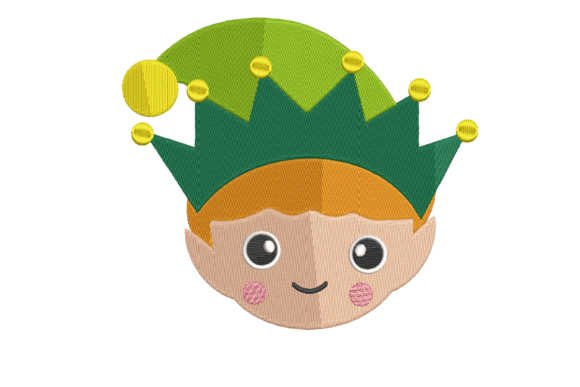
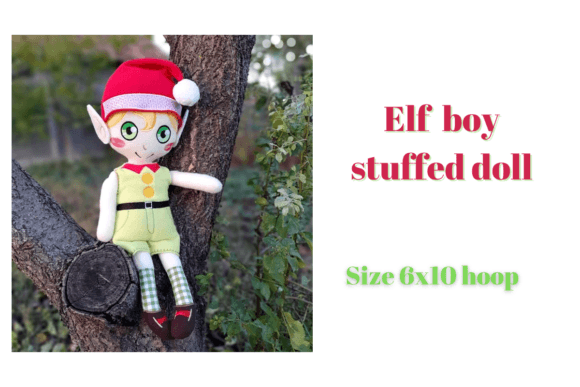
The immediate appeal of the Christmas Elf Boy Doll ITH lies in its cohesive character. Unlike flat appliques that require separate assembly, this In-The-Hoop (ITH) construction promises a three-dimensional result with clean edges. From a visual standpoint, the design exudes a playful yet polished mood. It captures the whimsical spirit of holiday embroidery without relying on overly complex details that often lead to thread breaks or registration issues.
For an Etsy seller or boutique owner, the "personality" of a design is crucial. This elf boy feels approachable and classic, making it versatile for various demographics. It doesn’t scream "cheap novelty"; instead, it suggests a thoughtful personalized gift. The layout is balanced, ensuring that the doll’s features remain distinct even at smaller scales. When I first loaded the embroidery file into my software, the stitch path appeared logical, which is a strong indicator of a well-digitized pattern.
Real-World Application: Beyond the Hoop
To truly test the viability of this design, I considered several practical scenarios where it could add value to a craft business. While ITH designs are often used for standalone ornaments, the Christmas Elf Boy Doll ITH has potential beyond simple decor. Imagine attaching this finished doll to a heavy canvas tote bag design as a focal point. The dimensional aspect adds tactile interest that flat prints cannot achieve.
Another compelling use case is sweatshirt embroidery. By stitching the doll onto a stabilizer-backed patch and then sewing it onto a crewneck, you create a high-value custom apparel item. Parents looking for unique baby embroidery options would appreciate the soft, stuffed nature of the doll compared to stiff, direct-stitch designs that might irritate sensitive skin. Additionally, these dolls make excellent additions to embroidered patch collections, allowing makers to sell them as interchangeable accessories for jackets or backpacks.
For those creating small shop product lines, consistency is key. The step-by-step instructions included with the files are a significant asset. They reduce the learning curve, ensuring that each unit produced meets a professional standard. This reliability is essential when fulfilling bulk orders for corporate holiday gifts or local craft fairs.
Technical Performance and Stitch Quality
Digitizing for ITH requires precise coordination between placement stitches, tack-downs, and final sealing. In reviewing the Christmas Elf Boy Doll ITH, I looked closely at the transition between different stitch types. A good design should utilize satin stitch for clean borders and fill stitch for broader areas without excessive density. Overly dense stitching can cause fabric puckering, especially on lighter materials.
The stitch density here appears moderate, which is ideal for maintaining the doll’s shape without making it rigid. However, designers must pay attention to the thread colors selected. High contrast between the elf’s clothes and skin tone enhances visibility, while subtle tonal shifts can create a more sophisticated, muted look. I recommend testing the design in both vibrant and pastel palettes to see which aligns better with your brand aesthetic.
One critical aspect of any ITH project is the closure mechanism. Whether it uses a zipper, velcro, or a sewn seam, the finish must be durable. The instructions provided with this digital embroidery file guide users through this process, but experienced makers know that testing on scrap fabric is non-negotiable. This allows you to adjust tension and verify that the layers align correctly before committing to expensive materials.
Material Considerations and Fabric Choice
The success of the Christmas Elf Boy Doll ITH heavily depends on the substrate. For the outer shell, medium-weight cotton or felt works best. These materials provide enough structure to hold the stuffing while remaining easy to needle. Avoid using highly textured fabrics like bouclé or loose weaves, as the small details of the elf’s face may get lost or distorted.
Fabric texture also plays a role in the final presentation. Smooth fabrics highlight the precision of the running stitch and satin columns, whereas fuzzy fabrics can obscure fine lines. If you plan to use this design on stretchy materials for custom apparel, ensure you use a cut-away stabilizer to prevent distortion over time. For items that will undergo frequent washing, such as baby toys or kitchen towels, durability testing is essential to ensure the seams hold and the stuffing does not clump.
Dark fabrics present another challenge. If stitching on navy or black, consider using lighter thread colors for the facial features to ensure they pop. Alternatively, use a light-colored backing fabric inside the ITH pocket to prevent dark threads from showing through lighter outer layers.
Commercial Viability and Branding
For commercial embroidery professionals, the licensing terms are paramount. Before selling any finished product made with the Christmas Elf Boy Doll ITH, confirm the license agreement provided by the designer. Most reputable creators allow the sale of physical items but restrict the redistribution of the design assets themselves. Understanding these boundaries protects your business and respects the intellectual property of the digitizer.
From a marketing perspective, this design offers excellent opportunities for printable mockup creation. High-quality photos of the finished elf in festive settings can drive engagement on social media and improve conversion rates for online listings. The charm of the character encourages emotional connection, which is a powerful driver for sales during the holiday season.
Practical Designer Notes for Best Results
To maximize the quality of your output, keep these technical tips in mind:
- Test on Scrap Fabric: Always run a test stitch-out to check for alignment issues and thread breaks.
- Check Hoop Size: Ensure your machine’s hoop size accommodates the largest component of the design. The description mentions multiple files, so verify which size corresponds to your equipment.
- Stabilizer Selection: Use a tear-away stabilizer for stable woven fabrics and a cut-away for knits or items requiring long-term durability.
- Thread Contrast: Preview the design in black and white to ensure all details are visible regardless of color choice.
- Inspect Small Details: Zoom in on the digital preview to check for tiny lettering or intricate corners that may require slower stitching speeds.
- Verify File Formats: Confirm that the package includes the specific embroidery file format compatible with your machine (e.g., PES, DST, JEF).
In conclusion, the Christmas Elf Boy Doll ITH is a robust addition to any holiday collection. It balances aesthetic appeal with technical feasibility, making it suitable for both hobbyists and professional small business owners. By paying attention to material choices and stitching parameters, you can create a finished product that delights customers and enhances your brand’s reputation for quality craftsmanship.