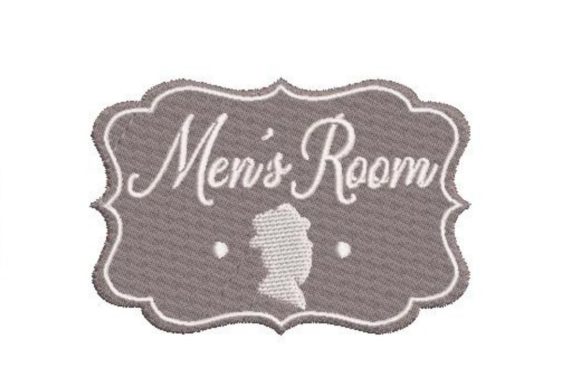
Review: Vintage Men's Room Sign Embroidery Design
As a designer who has spent countless hours hooping fabrics and troubleshooting tension issues, I approach every new machine embroidery design with a mix of curiosity and skepticism. We have all been there: you download a file that looks crisp on the screen, only to find it turns into a puckered mess once the needle hits the fabric. That is why I took a close look at the Vintage Men s Room Sign digital embroidery file. This isn’t just about aesthetics; it is about functionality, stitch quality, and how well it translates from a pixelated preview to a tangible, stitched reality.
First Impressions and Visual Personality
The immediate appeal of the Vintage Men s Room Sign lies in its thematic consistency. It does not try to be modern or minimalist. Instead, it leans heavily into a retro aesthetic that suggests aged wood, classic typography, and a touch of rustic charm. For those of us creating handmade products for boutique clients or Etsy shops, this mood is invaluable. It evokes a sense of nostalgia that pairs beautifully with natural fibers like linen, canvas, or heavy cotton.
From a layout perspective, the design appears balanced. The visual weight is distributed in a way that should prevent excessive pulling on lighter fabrics, provided the correct stabilizer is used. The detail level seems appropriate for a sign motif—enough complexity to look professional, but not so dense that it becomes a nightmare to stitch out on slower machines. When I visualize this on a project, I do not see it as merely a label; I see it as a decorative accent that adds character to a space or garment.
Real-World Application: Beyond the Bathroom
While the product description categorizes this under Bathroom decor, limiting this design to restroom signage would be a mistake. In my experience, versatility is key to maximizing the value of any embroidery file. I recently considered a scenario where a client wanted custom custom apparel for a rustic-themed wedding or a cabin retreat. This design could easily be adapted for a "Gents" locker room tag, a personalized tote bag design for a groomsmen gift, or even a quirky patch on a denim jacket.
Imagine stitching this onto a heavy canvas tote. The vintage flair complements the rugged texture of the bag, creating a cohesive finished product that feels high-end. Alternatively, consider sweatshirt embroidery. Placed on the chest or sleeve of a charcoal grey fleece, the design acts as a subtle branding element for a barbershop or a men’s grooming line. The key here is context. By moving beyond the obvious bathroom application, you open up revenue streams for your craft business.
Ideal Fabric Pairings
The description notes that this design looks perfect on fabrics with a vintage appearance. I strongly agree. Here is where I would deploy this design:
- Heavy Cotton Canvas: Ideal for tote bags and aprons. The tight weave supports the stitches without sinking.
- Linen Blends: Perfect for kitchen towels or pillow covers. The natural slub of linen enhances the retro vibe.
- Denim: Great for patches or jacket backs. The contrast between blue denim and traditional thread colors is striking.
- Felt or Wool: Excellent for creating standalone embroidered patch items that can be ironed or sewn onto other garments.
Technical Considerations for Stitching
Before you load this digital embroidery file into your machine, there are practical factors to address. Any experienced embroiderer knows that thread choice and stabilization make or break a project. Since this design likely utilizes a mix of fill stitch for backgrounds or solid areas and satin stitch for borders or text, density management is crucial.
If the design includes fine lettering or intricate corners, you must ensure your machine is calibrated correctly. Tiny details can get lost if the thread colors do not contrast sufficiently with the background fabric. I recommend testing the design on scrap fabric first. Specifically, check how the design handles sharp angles. If you notice puckering, increase your stabilizer strength or switch to a cut-away stabilizer for stretchy fabrics.
Another critical point is hoop size. While the exact dimensions are not specified in the brief description, you must confirm the required hoop size before starting. Trying to force a large design into a small hoop will result in distortion. Conversely, using a hoop that is too large for a small design can lead to fabric shifting. Always measure your available workspace against the design dimensions.
Navigating Potential Challenges
No design is without its quirks. When working with vintage-style motifs, one common issue is stitch density in shaded areas. If the Vintage Men s Room Sign uses heavy fill stitches to simulate a weathered look, it may become stiff. This is less of an issue for wall hangings or pillow covers, but it matters for baby embroidery or items that need to remain soft against the skin. If you plan to use this on a onesie or a soft tee, consider scaling it down or ensuring the underlay stitches are not too aggressive.
Additionally, be cautious with dark fabrics. If the design relies on light threads for visibility, ensure you are using high-quality rayon or polyester threads that have enough sheen to pop against the background. A matte thread might disappear into a black cotton shirt. Testing in black and white mockups can help you visualize contrast issues before you waste expensive thread.
Commercial Viability and Brand Consistency
For Etsy sellers and small shop product creators, this design offers strong commercial potential. The vintage trend shows no signs of fading, and consumers are drawn to items that feel curated and authentic. Using this design in your commercial embroidery lineup can help establish a consistent brand aesthetic. Whether you are selling holiday embroidery gifts or year-round home decor, the timeless nature of the design ensures it does not feel dated after a single season.
However, professionalism is paramount. Your printable mockup images should accurately represent the stitched texture. Do not rely solely on digital renders. Take photos of the actual stitched item on the intended fabric. Customers trust what they can see. A well-stitched sample demonstrates your skill and the quality of the design assets you are using.
Final Designer Notes
- Check Licensing: Before selling finished items, confirm the license terms associated with the digital embroidery file. Some designers allow unlimited sales, while others have caps.
- Test Stitch Density: Run a test on similar fabric to your final product. Look for pull-outs or gaps.
- Contrast is Key: Ensure your thread selection provides enough contrast for readability, especially if the design includes text.
- Stabilize Properly: Match your stabilizer to your fabric weight. Heavier fabrics may need less support, while knits require robust stabilization.
In conclusion, the Vintage Men s Room Sign is a solid addition to any embroiderer’s library. It is not just a bathroom sign; it is a versatile design element that, when used thoughtfully, can elevate a wide range of projects. By paying attention to fabric choice, thread contrast, and stabilization, you can transform this digital file into a high-value personalized gift or a best-selling item in your online store. Treat it with the technical respect it deserves, and it will serve your creative business well.