Spoon Fork Knife: A Designer’s Review for Branded Merch
As an embroidery designer who has spent years digitizing and reviewing files for small business applications, I approach every new machine embroidery design with a critical eye. It is not enough for a motif to look pretty on a screen; it must perform flawlessly in production. Recently, I evaluated the Spoon Fork Knife design, a piece categorized under Kitchen and Embroidery, to determine its viability for commercial use. For boutique owners, café operators, and Etsy sellers, understanding how a specific graphic translates from a digital file to a tangible asset is crucial for brand consistency.
First Impressions: Visual Personality and Brand Fit
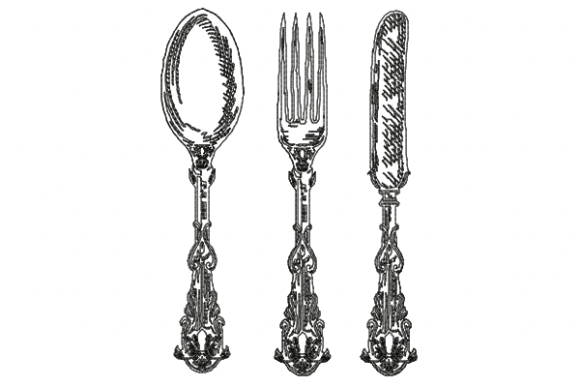
The Spoon Fork Knife design immediately presents itself as a versatile asset for the culinary and hospitality sectors. Based on the product description, which highlights its suitability for tea towels, napkins, aprons, and tablecloths, the aesthetic leans towards a blend of rustic charm and functional elegance. For a small business owner, this visual personality is vital. It does not scream "corporate sterile," nor does it feel overly chaotic. Instead, it offers a welcoming, handmade feel that resonates with customers seeking authenticity.
When considering brand identity, this design serves as an excellent anchor for businesses that want to project warmth and professionalism simultaneously. Whether you run a local bakery, a farm-to-table bistro, or a curated home goods shop, the imagery of cutlery is universally understood. It signals dining, preparation, and care. However, the true test lies in how these elements are rendered. Are the lines clean? Is the spacing adequate for various fabric textures? These are the questions I ask before recommending any digital embroidery file for client projects.
Real-World Applications for Small Business Merch
The versatility of Spoon Fork Knife extends far beyond the kitchen counter. In my review, I explored several high-value applications for small business merch and branded products. Here is how this design performs across different mediums:
- Staff Uniforms and Aprons: This is perhaps the most obvious and effective use case. An apron embroidery featuring this design elevates a standard uniform into a branded statement piece. It adds a layer of professionalism that printed logos often lack. The texture of the thread against the fabric of a canvas or denim apron creates a premium tactile experience for both the staff and the customers who see it.
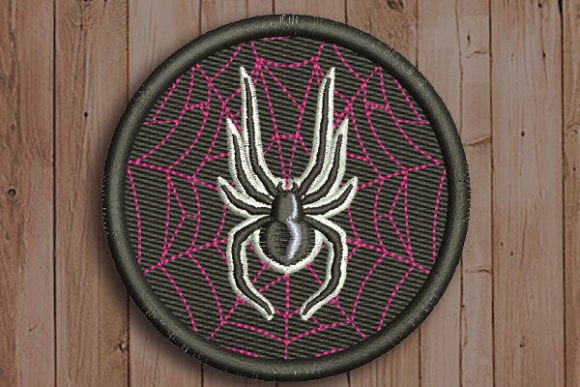
- Embroidered Patches: For businesses that need flexibility, turning this design into an embroidered patch is a smart move. Patches can be applied to tote bags, jackets, or even packaging materials. They allow for inventory management where the base garment remains neutral, and the branding is added via the patch. This is ideal for pop-up shops or seasonal merchandise runs.
- Tote Bags and Eco-Friendly Goods: A tote bag design featuring cutlery motifs appeals to the eco-conscious consumer. When embroidered, the design becomes durable and washable, increasing the longevity of the product. This aligns well with brands that prioritize sustainability and quality.
- Cap Embroidery: While challenging due to the curved surface, a simplified version of this design could work beautifully on the side or back of a cap. Cap embroidery requires precise digitizing to avoid puckering, so this application demands careful testing.
Navigating Technical Challenges and Fabric Constraints
While the aesthetic appeal is strong, practical execution requires attention to detail. Not every fabric behaves the same way, and not every hoop size is suitable for intricate details. Here are the critical areas where caution is needed when using Spoon Fork Knife:
Stitch Density and Fabric Texture: If the design has high stitch density, it may cause puckering on lightweight fabrics like linen tea towels or thin cotton napkins. I always recommend testing on the exact material you plan to use. For textured fabrics, such as waffle-weave towels, the design needs to be bold enough to stand out without getting lost in the weave. Conversely, on smooth sateen or polished cotton, finer details will shine.
Small Scale Legibility: When scaling down for small patches or chest logos on work shirts, ensure that the individual elements—the spoon, fork, and knife—remain distinct. If the lines merge, the design loses its impact. Always check the spacing between elements. If the original file does not provide multiple sizes, you may need to request different versions or carefully resize while monitoring stitch count.
Thread Color Contrast: The choice of thread colors can make or break the design. On dark uniforms, such as navy or black chef coats, using light or metallic threads can create a striking contrast. However, on white aprons, subtle tones might get lost. I advise creating a printable mockup to visualize color combinations before committing to production. Testing in black and white first is a pro tip to ensure the shape holds up without relying on color differentiation.
Enhancing Brand Identity and Customer Trust
Using a high-quality machine embroidery design like Spoon Fork Knife directly impacts customer perception. Embroidery conveys permanence and quality. Unlike heat transfers that may peel or fade, embroidered branding withstands frequent washing and wear. This durability mirrors the reliability of your business. When a customer receives a tote bag or sees a staff member in an embroidered apron, they subconsciously associate that tactile quality with your brand’s values.
Furthermore, consistent use of this design across various touchpoints—from product packaging accents to employee uniforms—creates visual consistency. This repetition builds recognition. For Etsy sellers and crafters, offering items with this embroidery can differentiate your handmade product from mass-produced competitors. It adds a layer of artisanal value that justifies a higher price point and fosters deeper buyer engagement.
Practical Notes for Production and Licensing
Before integrating Spoon Fork Knife into your commercial embroidery workflow, there are several administrative and technical steps to take. First, confirm the commercial licensing terms. Ensure that the embroidery file purchase allows for the number of units you plan to produce. Some licenses are limited to a certain number of physical items, while others are unlimited.
Second, verify the technical specifications. The product description mentions that the design comes with multiple embroidery formats, but it does not specify exact stitch counts or hoop sizes. You must check these details in the downloaded package. Knowing the hoop size is essential for planning your production line. If the design requires a large hoop, it may not fit on smaller items like pocket squares or baby bibs.
Finally, always use the appropriate stabilizer. For stretchy fabrics like jersey t-shirts, a cut-away stabilizer is necessary to prevent distortion. For woven fabrics like cotton twill, a tear-away might suffice. Testing on scrap fabric is non-negotiable. Create a sample, wash it, and inspect it for any signs of pulling or thread breakage. This due diligence ensures that your finished product meets the high standards your customers expect.
In conclusion, Spoon Fork Knife is a promising asset for businesses in the culinary and lifestyle sectors. With careful attention to fabric choice, thread selection, and technical setup, it can become a cornerstone of your branded merchandise strategy. By treating this design not just as decoration but as a strategic business tool, you can enhance your brand’s professional image and create lasting connections with your audience.