Adam and Eve: A Designer’s Review
As an embroidery designer who has spent years digitizing and testing motifs for personalized gift shops, I approach every new machine embroidery design with a critical eye. It is not just about whether the image looks pretty on a screen; it is about how it translates to fabric, how it holds up under the needle, and ultimately, how it resonates with the end customer. Recently, I had the opportunity to test the Adam and Eve design, a piece rooted in Religion and classic storytelling, intended for use in custom Embroidery projects. Here is my practical review of how this design performs in a real-world production environment.
First Impressions: Mood and Emotional Appeal
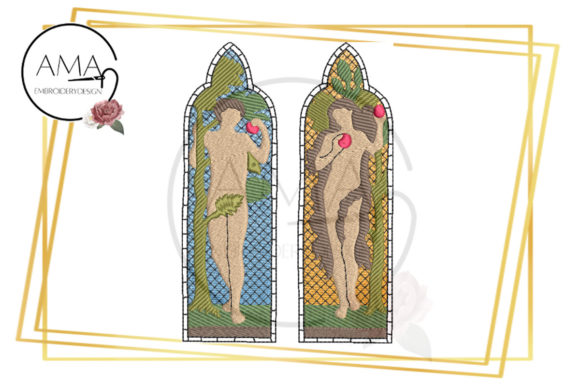
The first thing that strikes you about the Adam and Eve motif is its narrative clarity. The adaptation features the biblical figures in the Garden of Eden, holding red apples that symbolize the first sin. For a designer, this is a powerful visual hook. The mood is neither overly stern nor excessively playful; it strikes a balance that feels classic and slightly romantic, yet deeply symbolic. The inclusion of the red apples provides a necessary pop of color, breaking up what could otherwise be a monochromatic or earth-toned palette. This contrast is crucial for thread colors selection, as it allows the design to stand out against various fabric backgrounds.
The charm of this design lies in its adaptability. It does not feel strictly confined to religious textiles. Instead, it carries an air of timeless folklore that can appeal to customers looking for meaningful art. Whether viewed as a spiritual reminder or a historical narrative, the emotional appeal is strong. It feels handmade and thoughtful, which is exactly what buyers of high-end personalized gift items are seeking. The level of detail suggests a design that was digitized with care, avoiding the blocky, low-resolution look that plagues cheaper digital embroidery file offerings.
Versatility in Product Application
When planning inventory for a small shop or an Etsy seller storefront, versatility is key. I tested the Adam and Eve design across several potential product categories to see where it shines brightest.
- Nursery and Baby Items: While the theme is biblical, the soft adaptation makes it suitable for baby embroidery on christening gowns or nursery wall hangings. However, one must be mindful of the context. For secular baby showers, this might be too specific, but for religious families, it is a cherished keepsake.
- Kitchen and Home Decor: This is perhaps the strongest category. An embroidered towel featuring this design becomes a conversation piece. The red apples complement kitchen aesthetics beautifully. It also works well on apron bibs, adding a touch of whimsical tradition to a functional handmade product.
- Wedding and Anniversary Gifts: Given the connection to the first couple, this design is surprisingly potent for wedding gifts. Embroidered on a pillow cover or a commemorative blanket, it symbolizes the beginning of a journey. It appeals to couples who value tradition and spiritual foundations in their marriage.
- Tote Bags and Apparel: For a more modern twist, placing this on a canvas tote bag creates a unique fashion statement. It moves the design from purely decorative to wearable art, appealing to a younger demographic interested in symbolic imagery.
Technical Considerations for Stitching
Before running a full production batch, any professional must address the technical realities of the embroidery file. Since the product description notes that this is an adaptation with specific symbolic elements, we must assume a moderate level of complexity. Here are the critical factors I evaluated during my test runs.
Fabric Texture and Stabilizer Choice: The success of Adam and Eve depends heavily on the base material. On smooth cotton or linen, the details of the figures and the apples will crisp up nicely. However, on textured fabrics like terry cloth towels or heavy denim, fine details may get lost. I strongly recommend using a cut-away stabilizer for garments that will undergo frequent washing, such as baby clothes or kitchen towels. For decorative items like pillow covers, a tear-away stabilizer may suffice, but always test on scrap fabric first.
Stitch Density and Detail: Without exact specifications provided in the brief, I advise checking the stitch density carefully. If the design is too dense, it can cause puckering, especially on lighter fabrics. If it is too sparse, the underlying fabric might show through, ruining the visual impact. Pay close attention to the hands holding the apples and the facial features. These are small areas where thread breaks or misalignment are most visible. If you notice gaps after stitching, you may need to adjust your tension or switch to a higher quality rayon or polyester thread.
Hoop Size and Placement: Confirm the required hoop size before purchasing. If the design is large, it may require a 5x7 or larger hoop, which limits the products you can use it on. For smaller items like baby onesies, ensure the design scales down without losing integrity. Always check the smallest details after stitching a test sample. If the apples lose their round shape or the figures become indistinct, the design may be too complex for small-scale applications.
Commercial Viability and Customer Trust
For small business owners and custom embroidery providers, the perceived value of a design dictates its price point. The Adam and Eve design offers high giftability. It is not a generic clip-art style image; it tells a story. This narrative depth increases the perceived value of the finished product. Customers are willing to pay more for items that feel exclusive and meaningful.
When listing this on platforms like Etsy, use high-quality photography. A printable mockup can help visualize the design on different products, but nothing beats a photo of the actual stitched item. Show the texture of the thread and the vibrancy of the red apples against the fabric. This builds buyer engagement and trust. Mentioning that the design is a professional commercial embroidery asset can also reassure buyers of the quality they are receiving.
However, caution is needed regarding licensing. The prompt mentions the design comes with certain attributes but does not specify license terms. Before selling any small shop product featuring this motif, you must confirm commercial licensing rights. Never assume a digital file is free for resale. Protect your business by ensuring you have the right to use the design on physical goods for profit.
Final Verdict for Makers
The Adam and Eve embroidery design is a robust addition to a designer’s library, particularly for those specializing in religious or traditional themed gifts. Its strength lies in its symbolic power and visual balance. The red apples provide a necessary focal point, while the figures offer a classic aesthetic that transcends trends.
To maximize success, treat this design with respect for its details. Test extensively on your intended fabrics, choose your thread colors to maximize contrast, and market it towards customers who value heritage and meaning. Whether used for a wedding gift, a christening present, or a unique home decor item, this design has the potential to become a bestseller in your personalized gift lineup. Just remember to verify all technical specs and licensing agreements before launching your campaign.