Review: Black History Month Period for Seasonal Embroidery
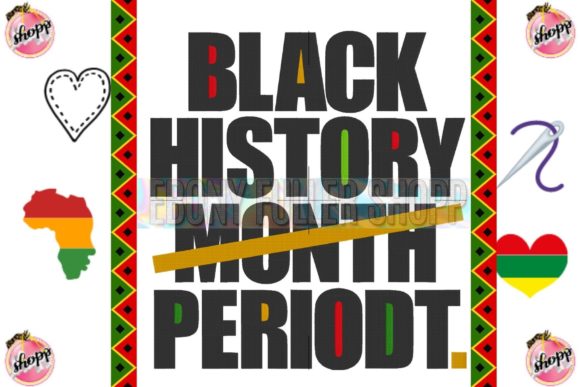
As an embroidery designer who spends months planning seasonal collections, I know that timing and emotional resonance are everything. When I discovered Black History Month Period on Creative Fabrica, I immediately began evaluating its potential for my upcoming spring and awareness-month product lines. This is not just another graphic; it is a thoughtful piece of Awareness themed Embroidery that requires careful consideration to maximize its impact. For Etsy sellers, small shop owners, and handmade gift makers, integrating this design into your inventory can create meaningful connections with customers looking for authentic, celebratory items.
First Impressions: Mood and Aesthetic Appeal
The first thing that strikes me about Black History Month Period is its dignified yet inviting tone. It avoids being overly loud or chaotic, instead opting for a style that feels respectful, modern, and deeply rooted in community pride. The design carries a premium feel, suitable for those who appreciate clean lines and clear messaging. It does not scream for attention but rather invites a closer look, which is ideal for high-quality apparel and home decor.
In terms of decorative style, it balances nostalgia with contemporary flair. This duality makes it versatile. It feels festive without being frivolous, and spiritual without being religious. For a designer, this emotional tone is crucial because it allows the finished product to serve as both a fashion statement and a conversation starter. Whether you are aiming for a cozy aesthetic on a sweatshirt or an elegant touch on a tote bag, the design’s inherent mood supports a wide range of creative directions.
Strategic Product Applications for Holiday and Seasonal Sales
When building a seasonal shop collection, versatility is key. I envision Black History Month Period working exceptionally well across several product categories. Here is how I would deploy this machine embroidery design in a real-world selling scenario:
- Sweatshirt Embroidery: This is perhaps the most obvious and profitable application. Placed on the left chest or centered on the back, the design adds significant value to plain hoodies and crewnecks. It transforms a basic garment into a personalized gift that celebrates heritage.
- Tote Bag Design: Canvas totes are staples for craft fairs and online shops. Embroidering this design on a sturdy cotton tote creates a functional item that users can carry daily, increasing brand visibility and spreading the message of awareness.
- Kitchen Towel Embroidery: For home decor enthusiasts, adding this motif to flour sack towels creates a subtle yet powerful display of pride in the kitchen. It appeals to buyers looking for unique, non-traditional home accents.
- Pillow Cover Accents: A smaller version of the design could anchor a decorative pillow cover, perfect for living room updates during February and beyond.
- Embroidered Patch: Creating iron-on or sew-on patches allows customers to customize their own jackets, backpacks, or hats. This lowers the entry price point while still offering a high-perceived value handmade gift.
For Etsy seller accounts, these items can be bundled. Imagine a "Heritage Bundle" featuring a matching tote and sweatshirt. Such bundles increase average order value and appeal to shoppers looking for comprehensive gift solutions.
Navigating Technical Challenges and Fabric Choices
While the artistic merit of Black History Month Period is high, successful execution depends on technical precision. As a designer, I always advise checking the specific file details before stitching. Since the product description notes it comes with multiple embroidery file formats, you must select the one that matches your machine’s capabilities and your chosen hoop size.
One critical area to watch is stitch density. If the design features dense lettering or intricate borders, it may pucker lightweight fabrics. I recommend using a cut-away stabilizer for stretchy garments like t-shirts and sweatshirts to ensure the design remains flat and durable after washing. For woven fabrics like canvas totes or pillow covers, a tear-away stabilizer might suffice, but testing is essential.
Color selection also plays a pivotal role. The design’s impact changes dramatically based on thread colors. On dark fabrics, consider using metallic or bright contrasting threads to make the design pop. On light fabrics, rich, deep tones can convey elegance and seriousness. Always test your thread palette on scrap fabric similar to your final product to check for visibility and contrast. Additionally, be cautious with tiny details if you are scaling the design down for small hoop sizes; some elements may lose clarity if reduced too much.
Enhancing Seasonal Appeal and Buyer Emotion
During Black History Month, buyers are not just purchasing products; they are buying into a feeling of belonging, pride, and education. Black History Month Period taps into this emotional current. When used correctly, it enhances the perceived value of your small shop product lineup. Customers trust brands that handle sensitive and celebratory themes with respect and quality.
Visual recognition is another benefit. A well-executed embroidery design stands out against printed graphics. The texture of the thread adds a tactile dimension that photographs beautifully for social media previews. Creating realistic printable mockup images or high-quality photos of the stitched item can significantly boost engagement. Show the design on a model wearing the sweatshirt, or styled on a coffee table with the tote bag. These lifestyle shots help customers visualize the product in their own lives.
Furthermore, this design supports brand consistency. If your shop focuses on meaningful, community-driven items, adding this digital embroidery file to your catalog reinforces your brand identity. It shows that you are attentive to cultural moments and committed to providing high-quality, relevant products.
Practical Designer Notes for Commercial Use
Before you list your finished items, there are several practical steps to ensure success. First, always review the licensing terms provided with the commercial embroidery files on Creative Fabrica. Understanding whether you can sell unlimited finished products or if there are restrictions is vital for legal compliance.
Second, consider the durability of the final product. Items like kitchen towels and baby clothes undergo frequent washing. Ensure your stitch-out is secure and that you have trimmed all jump stitches cleanly. For curved surfaces like caps, use appropriate framing techniques to prevent distortion of the design.
Finally, think about the presentation. Packaging matters. A simple thank-you note explaining the significance of the design can enhance the customer experience and encourage repeat business. By treating Black History Month Period not just as a graphic but as a centerpiece of a thoughtful product line, you elevate your offerings from simple commodities to cherished keepsakes.
In conclusion, Black History Month Period is a strong contender for any designer’s seasonal toolkit. It offers flexibility, emotional depth, and commercial viability. By paying attention to technical details like stabilizer choice, thread contrast, and hoop sizing, you can create stunning, high-quality items that resonate with customers and celebrate the spirit of the season. Whether you are decorating apparel, home goods, or accessories, this design provides a solid foundation for creating meaningful, marketable embroidery products.