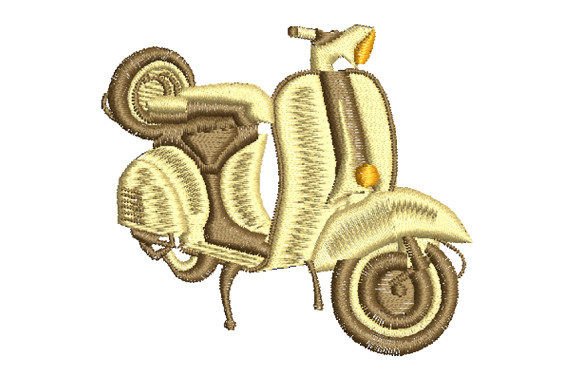
Reviewing the Classic Old Vespa Embroidery Design
As a designer who has spent years digitizing patterns and testing them on everything from delicate silk to heavy denim, I approach every new machine embroidery design with a mix of curiosity and skepticism. We have all been there: you download a file that looks stunning in the preview thumbnail, only to find it turns into a bird’s nest of thread breaks and puckering once it hits the hoop. That is why I took the time to evaluate the Classic Old Vespa design not just as a digital asset, but as a practical tool for real-world production.
This piece falls under the Transportation category, but it feels less like a technical diagram and more like a nostalgic nod to mid-century style. The inspiration here is clear: the iconic scooters that defined freedom for teenagers in the past and remain a symbol of cool in the modern era. For those of us running a craft business or selling on Etsy, nostalgia sells. But nostalgia only works if the execution is clean. Let’s dive into how this design holds up when you are ready to stitch.
First Impressions and Visual Personality
The first thing that strikes me about the Classic Old Vespa is its silhouette. It captures the curvaceous, organic lines of the vintage scooter without getting bogged down in excessive mechanical detail. In embroidery, less is often more. Too many tiny details can get lost in the fabric texture or cause registration issues. This design seems to strike a balance, using shape and flow to convey the subject rather than relying on microscopic precision.
The mood is playful yet refined. It does not scream for attention; instead, it invites a closer look. This makes it versatile. It is not just for motorcycle enthusiasts; it appeals to anyone who appreciates retro aesthetics. When I visualize this on a product, I see it working well for a broad demographic, from young adults looking for unique streetwear to older customers who remember the original era of these scooters. The visual personality is friendly and approachable, which is exactly what you want for a handmade product intended for gifting or personal use.
Real-World Application: From Mockup to Finished Product
To truly test a design, you have to imagine it in context. I recently worked on a project for a client who wanted a line of custom tote bags for a local boutique. The Classic Old Vespa would be an excellent candidate for a tote bag design. The horizontal layout of the scooter fits naturally across the center of a canvas bag, creating a balanced composition that does not feel cramped.
Beyond bags, consider sweatshirt embroidery. A crewneck sweatshirt in heather grey or navy blue provides a perfect backdrop for this design. The contrast between the soft, fuzzy texture of the fleece and the structured lines of the embroidery adds depth to the finished product. I can also see this working beautifully as an embroidered patch. If you stabilize it correctly and use a satin stitch border, you can cut it out and iron it onto denim jackets or backpacks, adding significant value to a simple garment.
For those focusing on baby embroidery, this design could be adapted for a nursery theme, perhaps paired with clouds or stars. However, you must be cautious with scale. What looks great on a adult-sized pillow might overwhelm a small baby onesie. Always adjust the size proportionally to ensure the design breathes on the smaller fabric surface.
Technical Considerations for Stitching Success
While the aesthetic is strong, the technical execution is where many designers stumble. Here are my practical notes for ensuring your embroidery project succeeds.
- Fabric Selection: This design likely utilizes a mix of fill stitch for the body of the scooter and satin stitch for outlines or highlights. Fill stitches require stable fabric. Avoid highly stretchy materials like thin jersey unless you use a cut-away stabilizer. For best results, stick to cotton twill, canvas, denim, or medium-weight fleece.
- Stabilizer Choice: Do not skimp on stabilizer. If you are stitching on a textured fabric like a towel or a thick coat, a tear-away might not provide enough support, leading to distortion. Test a scrap piece first. If the fabric shifts, switch to a cut-away or use a topping to keep the stitches floating above the texture.
- Thread Colors: The charm of the Classic Old Vespa lies in its color palette. Vintage scooters often came in pastel blues, creams, and mint greens. Use high-quality rayon or polyester threads to capture that sheen. Avoid matte cotton threads if you want that classic, slightly glossy retro look. Check your thread chart against the digital preview to ensure the contrast remains sharp.
- Hoop Size: Before purchasing, confirm the available hoop sizes for this digital embroidery file. If the design is large, you may need a 5x7 or 6x10 hoop. Ensure your machine can handle the required area without re-hooping, which can cause alignment errors.
Navigating Challenges: Where to Be Careful
No design is perfect for every situation. There are specific scenarios where you should proceed with caution. For instance, if you plan to use this on a curved surface like a cap, be mindful of the density. Caps have limited space and a curved structure that can distort wide designs. If the Vespa design is too wide, it may wrap around the sides of the cap uncomfortably. In such cases, consider resizing it significantly or choosing a different placement, such as the side panel.
Also, watch out for dark fabrics. If you are stitching a light-colored Vespa on black fabric, you must use an underlay or a backing thread to prevent the dark fabric from showing through the lighter top stitches. This is a common issue in commercial embroidery that can make a product look amateurish if ignored. Always run a test stitch on a similar dark scrap to check for coverage.
Another potential pitfall is small lettering. If the design includes any text or tiny badges on the scooter, ensure they are legible at your chosen size. Tiny details can merge together if the stitch density is too high or if the fabric piles up. If the design includes intricate corners, check that your machine’s needle can navigate them without jumping or breaking the thread.
Boosting Value for Etsy Sellers and Craft Businesses
For the Etsy seller or small shop owner, the right design can elevate your brand. The Classic Old Vespa offers a distinct advantage: it is recognizable yet unique. It is not the same overused floral pattern everyone else is selling. This uniqueness helps with brand consistency and customer trust. When buyers see a well-stitched, thoughtful design, they perceive higher value.
Use this design to create cohesive collections. Pair it with other transportation-themed items or retro lifestyle products. Create printable mockups that show the design on various items—aprons, tea towels, and pillow covers—to help customers visualize the end result. High-quality photos of the actual stitched item, showing the texture of the thread and the cleanliness of the backside, will do more to sell the product than any digital render.
Remember, licensing is crucial. Before you sell any custom apparel or holiday embroidery items featuring this design, verify the license terms provided by the creator. Most designers allow commercial use for finished physical goods, but restrictions may apply to digital resale. Respect intellectual property to maintain professionalism in the creative community.
Final Verdict
The Classic Old Vespa is a solid addition to any designer’s library. It balances nostalgic appeal with practical stitchability. It is not just a pretty picture; it is a functional design asset that can drive sales and delight customers. Whether you are making a personalized gift for a friend who loves vintage rides or stocking your online store with unique small shop products, this design offers the versatility and charm needed to stand out. Just remember to test, stabilize, and choose your fabrics wisely, and you will produce a finished product that looks professional and feels premium.