You Can: A Designer’s Review of This Sweet Embroidery Motif
As an embroidery designer who has spent years testing digital files for real-world application, I approach every new machine embroidery design with a mix of curiosity and caution. We all know that what looks perfect on a screen does not always translate seamlessly to fabric. Recently, I had the opportunity to test a charming piece from the Friends Quotes category titled You Can. My goal was simple: determine if this design holds up under the scrutiny of a professional personalized gift shop environment. Could it elevate a standard item into a cherished keepsake? After running several test stitches and evaluating its potential across various products, I am ready to share my honest assessment.
First Impressions: Mood and Emotional Appeal
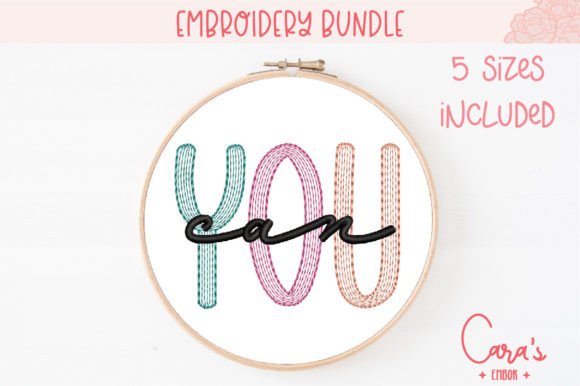
The moment I loaded the embroidery file, the immediate impression was one of gentle encouragement. The phrase "You Can" is short, punchy, and universally uplifting. In the realm of Embroidery, brevity is often a strength because it allows the typography to breathe. This design feels less like a loud statement and more like a quiet whisper of support. It strikes a balance between playful and elegant, making it versatile enough for both children’s items and adult home decor.
The charm lies in its simplicity. For a personalized gift, emotional resonance is key. Customers are not just buying thread on fabric; they are buying a feeling. This design taps into the desire for affirmation. Whether it is stitched onto a nursery item for a newborn or a tote bag for a student starting college, the message connects instantly. It feels handmade and heartfelt, which is exactly the vibe modern buyers seek when browsing Etsy listings or visiting local craft fairs.
Versatility Across Product Lines
One of the strongest assets of You Can is its adaptability. During my review, I visualized this motif on a wide range of blanks. For baby product creators, this design is a standout choice for baby embroidery projects. Imagine it centered on a soft muslin swaddle or a burp cloth. The positive message serves as a beautiful blessing from parents to child. However, because the text is concise, it does not overwhelm small garments. It works equally well on a toddler’s denim jacket or a cozy onesie.
For wedding gift designers and those creating family keepsakes, this motif offers a subtle touch of support. It could be embroidered on a linen pillow cover for a newlywed couple’s reading nook, serving as a reminder that they can tackle life’s challenges together. I also see significant potential in kitchen textiles. An embroidered towel featuring this quote adds a layer of warmth to a utilitarian object. It transforms a simple tea towel into a piece of art that hangs proudly in the kitchen.
Furthermore, Etsy seller audiences love accessories. A canvas tote bag with this design stitched prominently on the front becomes a daily companion for shoppers, students, or library visitors. It turns a basic accessory into a handmade product with personality. Even aprons benefit from this touch; for the home cook who needs a little extra confidence while trying a new recipe, seeing "You Can" stitched at chest level is a delightful morale booster.
Technical Considerations and Fabric Challenges
While the aesthetic appeal is high, technical execution requires attention to detail. The product description explicitly states that resizing or editing the design is not recommended and that quality cannot be guaranteed if altered. This is a critical warning for any small shop product creator. Resist the urge to shrink this design for tiny pockets or expand it for large blankets without consulting the original digitizer. Maintaining the intended stitch density is vital for clean letter formation.
When working with textured fabrics, such as thick terry cloth towels or waffle-weave blankets, you must consider how the stitches interact with the fabric texture. Small details can get lost in deep piles. I recommend using a cut-away stabilizer for stretchy materials like baby clothes to prevent puckering. For woven fabrics like pillowcases or aprons, a tear-away stabilizer may suffice, but always test on scrap fabric first. This step is non-negotiable for maintaining professional standards.
Another crucial factor is contrast. On dark fabrics, ensure your thread colors pop. A pastel thread on navy blue might look muddy from a distance. Conversely, on white or cream linens, avoid threads that are too similar in value, or the message will vanish. Always compare light and dark fabric mockups before committing to a production run. Additionally, be mindful of curved surfaces. Stitching on a rounded baby hat or a structured cap requires careful hooping to ensure the text remains straight and legible.
Enhancing Perceived Value and Customer Trust
From a business perspective, You Can contributes significantly to perceived value. A plain item becomes a custom embroidery piece with the addition of this motif. This elevation allows for higher price points and better profit margins. More importantly, it builds customer trust. When buyers see consistent, high-quality stitching with clear, crisp letters, they associate your brand with reliability. This is essential for repeat business in the competitive world of commercial embroidery.
The design also aids in product photography. Short, impactful quotes photograph beautifully because they are easy to read in thumbnail images. This improves buyer engagement on social media and marketplaces. A clear, readable design invites the viewer to stop scrolling and connect with the message. For digital product sellers offering this as a digital embroidery file, providing high-quality printable mockup images showing the design on various items can drastically increase conversion rates.
Practical Steps for Implementation
To ensure the best results with You Can, follow these practical steps before fulfilling customer orders:
- Check the Hoop Size: Confirm that the design fits comfortably within your machine’s hoop size without requiring re-hooping, which can cause alignment issues.
- Verify Licensing: Before selling finished products, confirm the commercial licensing terms associated with the file. Ensure you have the right to use it for physical goods.
- Test Stitch Density: Run a test on similar fabric to check for thread breaks or nesting. Adjust tension if necessary.
- Inspect Small Details: After stitching, examine the entry and exit points of the letters. Trim any loose threads meticulously to maintain a polished look.
- Consider Washing Instructions: Advise customers on how to care for their blanket embroidery or clothing to preserve the integrity of the threads over time.
In conclusion, You Can is a thoughtful addition to any embroidery designer’s library. It bridges the gap between simple decoration and meaningful communication. By respecting the technical constraints and leveraging its emotional appeal, you can create stunning wedding gift options, adorable baby items, and stylish home decor. Treat this design with the care it deserves, and it will become a reliable staple in your personalized gift offerings.