Zebra Girl Embroidery: A Designer’s Practical Review
As a designer who spends countless hours digitizing and testing machine embroidery designs, I have learned that cuteness alone does not make a product viable for commercial use. The Zebra Girl design caught my eye immediately, not just for its theme within the Baby Animals category, but for its potential versatility in real-world applications. When I first loaded this embroidery file into my software, I was looking for more than just an adorable motif; I was evaluating stitch flow, density balance, and how well it would translate from a digital preview to a tangible, high-quality finished product.
In this review, I am sharing my honest assessment of Zebra Girl from the perspective of someone who stitches for clients, sells on Etsy, and values professional presentation. If you are a craft business owner or a hobbyist looking to elevate your handmade products, understanding how a design behaves under the needle is crucial before you commit to production.
First Impressions: Mood and Visual Personality
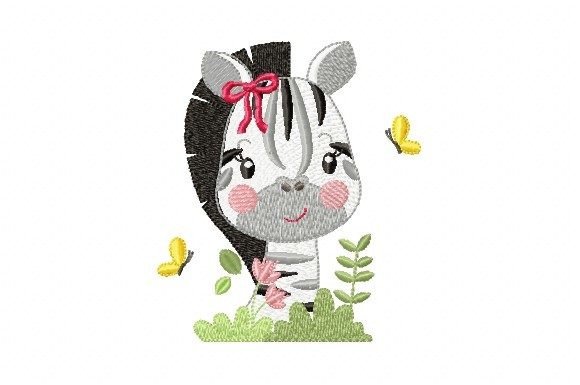
The immediate mood created by Zebra Girl is friendly, playful, and approachable. In the world of embroidery, especially when targeting children’s markets or gift buyers, emotional connection is key. This design achieves that through soft curves and a whimsical character layout. It does not rely on overly complex detailing that might get lost in translation; instead, it uses clear shapes that read well even from a distance.
For embroidery designers, the visual personality of a design dictates its market fit. Zebra Girl feels inherently suited for soft goods. It lacks the rigid, aggressive lines often found in sports logos or corporate branding, making it a natural choice for baby embroidery, nursery decor, and personalized gifts. The charm lies in its simplicity, which suggests that it was digitized with an awareness of how thread interacts with fabric texture.
Real-World Application: Where Zebra Girl Shines
To truly test a design, you must imagine it on various substrates. I visualized Zebra Girl on several common items I produce for my small shop product line. Here is how it performs in specific scenarios:
- Sweatshirt Embroidery: This is perhaps the strongest use case. The design’s scale appears ideal for the left chest of a child’s hoodie or the center front of a toddler’s sweatshirt. The playful nature of the zebra complements the casual comfort of fleece fabrics.
- Tote Bag Design: For canvas tote bags, Zebra Girl adds a unique accent that appeals to parents and teachers alike. The design stands out well against natural cotton backgrounds, provided you use contrasting thread colors.
- Baby Clothes and Onesies: As a baby embroidery piece, it works beautifully on knit fabrics. However, this requires careful attention to stabilizer choice to prevent puckering, a common issue with stretchy materials.
- Embroidered Patch Creation: If you are creating iron-on patches for a boutique branding project, this design’s clear outlines make it an excellent candidate. It can be easily satin-stitched around the edges for a clean, professional finish.
For Etsy sellers and digital product sellers, having a design like Zebra Girl in your library allows for diverse mockups. You can create printable mockup assets showing the design on pillows, aprons, and caps, giving customers a clear idea of the product’s versatility.
Technical Considerations and Stitching Performance
While the aesthetic appeal is strong, practical execution requires technical diligence. When reviewing any machine embroidery design, I always check for potential pitfalls in stitch density and detail resolution.
Stitch Density and Fabric Choice
Zebra Girl appears to have a balanced mix of fill stitch areas and satin stitch accents. For textured fabrics like terry cloth towels or thick denim, this balance is beneficial. However, on thin or delicate fabrics, you must ensure the stitch density is not too high, which can cause gathering or distortion. I recommend using a cut-away stabilizer for knits and a tear-away for woven cottons to maintain the integrity of the design.
Detail Clarity on Small Hoops
If you plan to stitch this on a small hoop size, such as a 4x4 inch frame for cap embroidery or small accessories, inspect the smallest details. Tiny elements, such as the eyes or intricate patterns on the zebra’s coat, must remain distinct. If the design includes very fine running stitch details, they may disappear on dark fabric or low-quality thread. Always test the design on scrap fabric first to confirm that the stitching clarity meets your standards.
Thread Color Contrast
The visual impact of Zebra Girl relies heavily on thread colors. Since zebras are black and white, there is a risk of the design looking flat if you stick strictly to monochrome threads. I suggest introducing subtle accent colors in the background elements or accessories within the design to add depth. Testing the design in black and white mockups can help you identify if the contrast is sufficient for readability on various fabric backgrounds.
Commercial Viability and Brand Consistency
For commercial embroidery projects, consistency is everything. Customers trust handmade products that look professional and durable. Zebra Girl contributes to brand consistency by offering a recognizable, cute motif that can become a signature element of your shop. Whether you are selling holiday embroidery items or year-round baby essentials, this design fits seamlessly into a cohesive product line.
Moreover, the "giftability" factor is high. Personalized gifts featuring animal motifs are perennial bestsellers. By adding a customer’s name alongside Zebra Girl, you increase the perceived value of the item. However, ensure that any added lettering is proportionate to the main design. Overcrowding the hoop with text can detract from the zebra’s playful accent.
Practical Designer Notes for Best Results
Before you list Zebra Girl as a new item in your store or use it for a client order, follow these practical steps to ensure quality:
- Check Licensing: Confirm whether the digital embroidery file allows for commercial use. Most designers permit selling finished physical items, but restrictions may apply to sharing the file itself.
- Test on Multiple Fabrics: Do not assume the design will look the same on jersey as it does on canvas. Run test stitches on the specific materials you intend to sell.
- Inspect Stitch Paths: Look for unnecessary jumps or trims in the embroidery file. Efficient stitch paths reduce production time and thread waste, which is vital for profit margins in a craft business.
- Evaluate Wash Durability: For children’s clothing and items that need frequent washing, ensure the satin stitch borders are dense enough to protect the fill stitches from fraying over time.
- Mockup Presentation: Use high-quality photos that show the texture of the stitches. Close-up shots of the Zebra Girl design help buyers appreciate the craftsmanship, increasing buyer engagement and trust.
Final Verdict
Zebra Girl is a solid addition to any embroidery designer’s toolkit, particularly for those focusing on the baby and children’s market. It balances charm with technical feasibility, making it suitable for a wide range of custom apparel and home decor items. While it requires standard precautions regarding stabilizer and thread choice, its adaptable nature makes it a reliable choice for both personal projects and small business merchandise.
By treating this design with the professional care it deserves—testing, adjusting, and presenting it well—you can create finished products that delight customers and strengthen your brand’s reputation for quality. Whether you are an experienced decorator or a new Etsy seller, Zebra Girl offers a playful yet professional option for your next embroidery project.